
Nutrition for Volleyball Tournaments: Timing and Hydration
Optimize your performance on court with specific meal timing strategies, hydration protocols, and snack choices designed for long volleyball tournament days.
By VolleyLab Coaching Staff
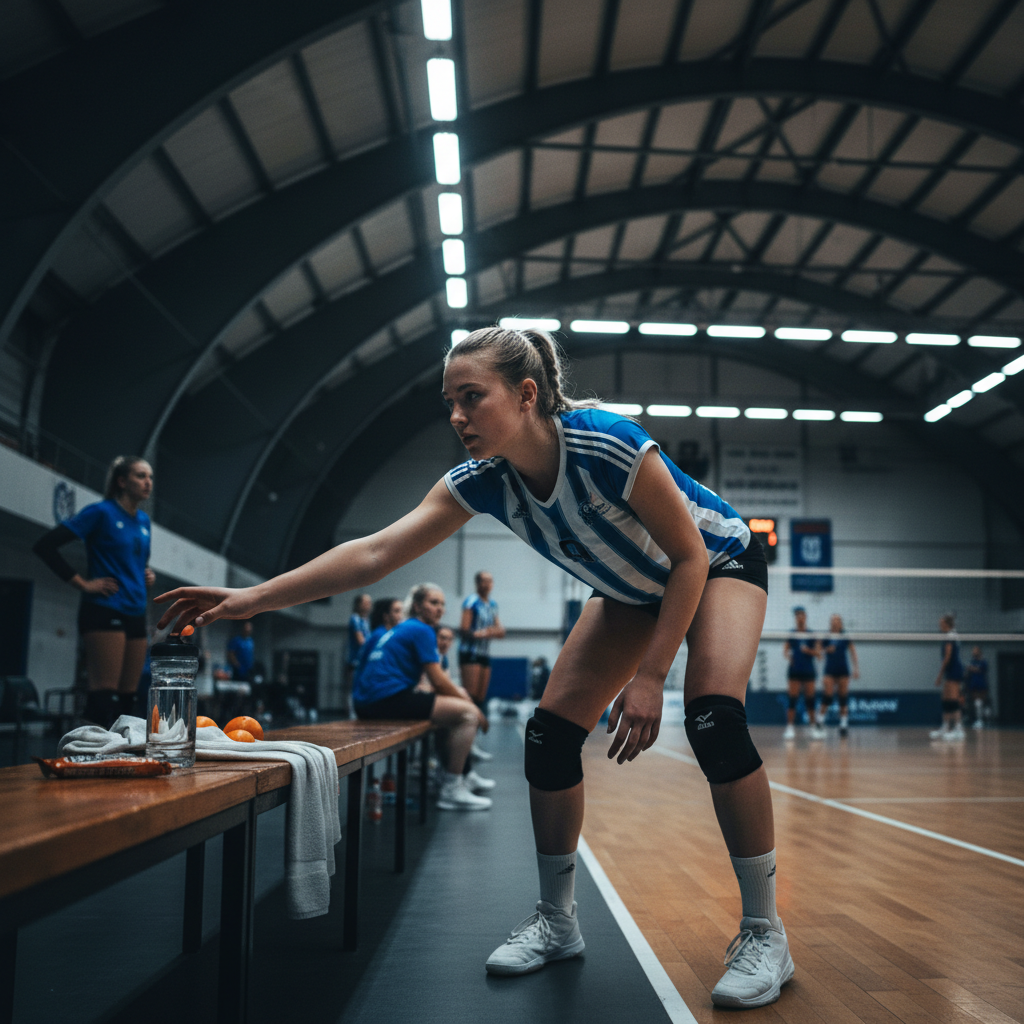
Success in a day-long volleyball tournament depends as much on metabolic management as it does on vertical jump height or defensive IQ. Athletes often experience a significant drop in explosive power and reaction speed by the third or fourth match due to glycogen depletion and dehydration. Maintaining consistent energy levels requires a disciplined approach to what is consumed and when it is consumed, moving beyond simple hunger cues to a structured fueling schedule.
The Pre-Tournament Foundation: Breakfast Windows
The initial objective for any tournament day is to top off liver and muscle glycogen stores that were depleted during overnight sleep. For a 8:00 AM match start, the ideal window for breakfast is 5:30 AM to 6:00 AM. This allows roughly two to three hours for gastric emptying, ensuring that blood flow is directed toward the muscles rather than the digestive system during the first whistle.
The meal composition should prioritize complex carbohydrates with a low glycemic index to ensure a slow, steady release of glucose. High-fiber options should be limited to prevent gastrointestinal distress during high-intensity jumping and diving. A standard serving of oatmeal with a sliced banana or two slices of whole-grain toast with a thin layer of almond butter provides the necessary 50 to 80 grams of carbohydrates required for the opening pool play matches.
Hydration Protocols: Beyond Plain Water
Dehydration of even 2% of body weight can result in a measurable decrease in cognitive function and serve-receive accuracy. Athletes should aim to consume 16 to 20 ounces of fluid in the two hours leading up to the first match. During play, the goal shifts to replacing sweat loss. This is rarely achieved through plain water alone during multi-match events.
- Electrolyte solutions containing sodium and potassium to prevent cramping.
- 8 to 10 ounces of fluid every 20 minutes of active play.
- Monitoring urine color; it should remain pale yellow or clear throughout the day.
- Avoiding carbonated beverages which lead to bloating and discomfort.
Understanding Sodium Requirements
Volleyball is characterized by short, explosive bursts of movement in warm, often humid gym environments. This leads to high sweat rates. Sodium is the primary electrolyte lost in sweat. Replacing sodium is critical for maintaining thirst drive and fluid balance. A concentration of 500 to 700 milligrams of sodium per liter of water is generally recommended for heavy sweepers and high-intensity players to avoid hyponatremia and muscle fatigue.
Snacking and Refueling Between Matches
Tournament schedules are notoriously unpredictable. A team may have a 45-minute break or a three-hour wait between pool play and playoffs. To manage these gaps, athletes must categorize their snacks by the time remaining until their next warm-up. If the break is less than 30 minutes, the focus must be on rapidly absorbing simple sugars. If the break is longer than an hour, a balance of carbohydrates and lean protein is necessary.
Practical snack options for short intervals include applesauce pouches, rice cakes with honey, or a handful of grapes. These provide immediate glucose to the bloodstream with minimal digestive effort. For longer breaks, a turkey breast wrap on a flour tortilla or a yogurt parfait provides the protein required to mitigate muscle tissue breakdown over the course of an eight-hour day.
Managing the Mid-Day Lunch Lull
The most common nutritional error in club volleyball is the heavy mid-day meal. Consuming a large, fatty burger or heavy pasta dish between pool play and the bracket stage redirects blood away from the extremities to the stomach. This results in the 'heavy legs' sensation often seen in afternoon matches. Lunch should be viewed as a larger snack rather than a traditional meal.
- Target 15 to 20 grams of lean protein.
- Include 40 to 60 grams of easy-to-digest carbohydrates.
- Keep total fat content below 10 grams to speed up digestion.
- Avoid high-sulfur vegetables like broccoli or onions that cause gas.
Sample Tournament Recovery Snack
A standard recovery snack post-match consists of a 3:1 or 4:1 ratio of carbohydrates to protein. A chocolate milk or a specialized recovery shake serves this purpose well, aiding in muscle repair while replenishing the glucose utilized during the five-set battle. The timing of this intake is crucial; the 'metabolic window' is most receptive within 30 to 45 minutes of stepping off the court.
What to Skip: Foods That Impede Performance
Certain foods provide a false sense of energy or cause delayed lethargy. High-sugar energy drinks often lead to a 'crash' 45 minutes after consumption, leaving the athlete in a hypoglycemic state just as the second set begins. Similarly, high-fat fried foods slow down the entire digestive tract, making the athlete feel sluggish and less agile on defense.
- Excessive Caffeine: Can lead to jitteriness, increased heart rate, and dehydration.
- Fiber-Heavy Bars: Some meal replacement bars contain 10+ grams of fiber which can cause cramping during jumping.
- Fried Concession Stand Foods: High fat content delays the absorption of necessary nutrients.
- New Foods: Never experiment with a new supplement or food item on the day of a competition.
Night-Before Preparation
The process of fueling for a tournament begins 24 hours prior to the first serve. Dinner the night before should consist of familiar, carbohydrate-rich foods like rice, potatoes, or pasta with a moderate portion of chicken or fish. Hydration should also be front-loaded. Going to sleep fully hydrated ensures that the morning routine is about maintenance rather than playing catch-up with fluid levels.
By treating nutrition as a technical skill—no different than a platform pass or a line shot—volleyball players can maintain their peak physical output from the 8:00 AM warm-up through the championship point late in the afternoon. Discipline in fueling leads to consistency in performance.
Related VolleyLab resources
Keep going with these hand-picked reads and programs from the VolleyLab library:
Turn this article into a training plan
VolleyLab builds a weekly program based on your position, level, and goals — no guesswork.
Start free trial