
Mastering Libero Communication: Strategic Backrow Dictation
Unlock elite floor leadership with precise libero calling patterns, vocal tone management, and the essential vocabulary for high-level defensive coordination.
By VolleyLab Coaching Staff
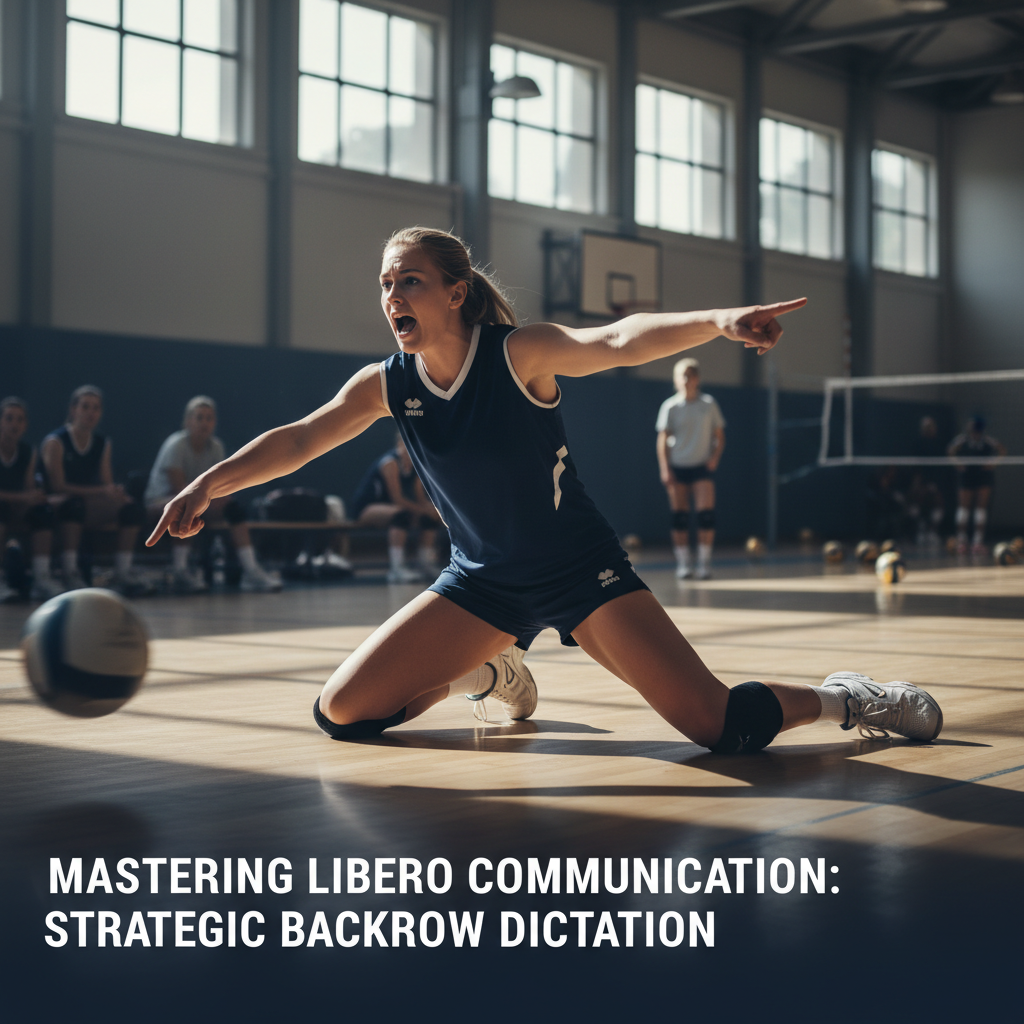
The Architecture of Defensive Sound
The difference between a frantic defense and a composed unit lies in the specific auditory signals provided by the libero. While every player is expected to communicate, the libero serves as the air traffic controller for the backrow. Effective floor leadership requires a shift from reactive screaming to proactive dictation. High-level play minimizes noise to maximize signal, ensuring that every verbalization serves a tactical purpose rather than contributing to sensory overload.
The primary objective of this specialized communication is to remove hesitation during high-velocity exchanges. When two defenders occupy the same seam, the libero must be the decisive voice that delegates responsibility before the ball crosses the net. This involves understanding the geometry of the court and the capabilities of teammates, adjusting the volume and frequency of calls based on the specific phase of the rally.
The Shortlist of Essential Calls
Backrow players must master a restricted vocabulary to avoid confusion. In the heat of a 70-mile-per-hour serve or a heavy swing, the brain processes single-syllable commands significantly faster than sentences. The following list identifies the mandatory signals every defensive specialist should utilize for optimal coordination.
- In/Out: Decisive judgment on baseline or sideline balls, delivered the moment the ball passes the hitter's hand.
- Mine/Me: A loud, singular claim of ownership that overwrites any other potential movement.
- Short: Immediate identification of tips, rolls, or off-speed shots falling in front of the ten-foot line.
- Deep: A warning for defenders to retreat or prepare for high-hands off the block.
- Away: Directing a teammate to vacate a specific space to allow a clearer path for the primary passer.
- Over: A warning that a shanked or tight ball is crossing the net, signaling the front row to prepare for a joust.
Transition Cues and Hitter Identification
Beyond ball-handling, the libero must track the opponent's offensive flow. This includes shouting the number of hitters available (e.g., 'Three hitters!') or identifying the primary threat during a scramble. During transition, the libero should call out the location of the setter to notify the blockers if a dump is possible. These cues bridge the gap between individual effort and collective strategy.
Vocal Tone and Command Authority
The quality of the voice is as important as the words spoken. A high-pitched, panicked tone induces stress in teammates, leading to tight muscles and poor reaction times. A senior libero utilizes a chest-resonant, authoritative tone—similar to a military commander or a clinical professional. This projects confidence and stability, even when the defense is under extreme pressure from an aggressive serving run.
Authority is built through consistency. If a libero calls 'out' on a ball that lands six inches inside the line, their credibility diminishes. Accuracy in judgment must precede volume. Therefore, the libero should focus on providing clear, declarative statements rather than suggestions. Using a falling inflection at the end of a call signifies certainty, which allows teammates to commit fully to their movements without second-guessing the directive.
When to Talk Versus When to Observe
Constant chatter creates 'white noise' that players eventually tune out. The most effective defensive orchestration involves strategic periods of silence. During the split second of contact, the gym should be quiet enough for players to hear the sound of the ball hitting the floor or the block. Over-talking during the serve-receive setup can distract the primary passers from tracking the rotation of the ball.
Specific windows for communication include the four seconds before a serve, the moment of contact, and the transition between defense and offense. In between these windows, the libero should observe the opponent's tendencies. If an outside hitter consistently swings line on high sets, the libero should report this to the block during the next dead-ball interval rather than shouting instructions during the middle of a live rally.
Seam Management and Overlap Prevention
The greatest threat to a clean pass is the 'no-man's land' between two players. The libero must be the architect of seam management. By proactively calling 'my left' or 'your right,' the libero establishes boundaries before the ball is even served. This is particularly crucial in international or high-level club play where serve speeds exceed 55 miles per hour, leaving zero time for mid-flight negotiation.
- Pre-Serve Assignment: Identify the primary passer for the middle seam based on the opponent's server profile.
- Mid-Flight Correction: If a serve drifts, the libero calls the name of the player who should take the ball.
- Post-Contact Feedback: Briefly confirm if the seam was handled correctly or if positioning needs to shift two degrees left or right.
Training the Vocal Instinct
Coaches should integrate communication into every drill. In a standard '6-on-6' wash drill, a libero should be required to make at least three distinct tactical calls per rally. If the libero fails to identify a hitter or call a ball 'in/out,' the point should be awarded to the other side regardless of the physical outcome. This emphasizes that verbal performance is as vital as the dig itself.
For individual development, the 'Blind Caller' drill is effective. A libero stands behind two defenders and must call 'in' or 'out' for balls being hit toward them. This forces the libero to process visual cues quickly and project their voice through the backs of their teammates. Repeating this for 4 sets of 15 reps builds the muscle memory required for automated calling during high-stakes tournament play where physical fatigue begins to set in.
Finalizing the Defensive Blueprint
A libero who masters these auditory techniques becomes the heartbeat of the team. By focusing on the shortlist of essential calls, maintaining a calm but commanding tone, and understanding the strategic timing of their voice, they ensure the backrow operates as a single, cohesive unit. This level of orchestration is what separates average defensive specialists from elite floor leaders who can dictate the flow of any match.
Related VolleyLab resources
Keep going with these hand-picked reads and programs from the VolleyLab library:
Turn this article into a training plan
VolleyLab builds a weekly program based on your position, level, and goals — no guesswork.
Start free trial